Pros and Cons of Common Water Heater Fuel Sources
When it comes time for a new water heater installation or replacement, one of the most fundamental decisions a homeowner must make is whether to install an electric or gas-powered water heater. This choice impacts not only the initial cost of the appliance and its installation but also the monthly operating costs, energy efficiency, and more. Understanding the distinct advantages and disadvantages of each fuel source, from recovery speed and safety to performance during power outages, helps homeowners select a water heater that best aligns with their household's needs and budget.
Gas Water Heater
 Installing a gas water heater offers several distinct advantages, most notably in terms of operational efficiency and recovery speed. Natural gas typically costs less than electricity in many regions, making these units more economical to run every month. Not only do gas water heaters cost less to run, but gas burners heat water significantly faster than electric elements, ensuring a more consistent supply for large households with high hot water demands.
However, there are important drawbacks to consider, particularly regarding installation complexity and safety. Gas water heaters require dedicated gas lines and proper venting systems to exhaust combustion byproducts such as carbon monoxide, which can increase the initial installation and setup costs. Additionally, because they involve an open flame and fuel combustion, they pose a slightly higher safety risk, including gas-leak dangers, than their electric counterparts.
Electric Water Heater
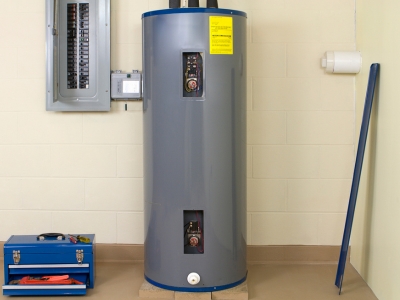 Electric water heaters are often favored for their lower upfront costs and ease of installation. Since they do not require complex venting or gas plumbing, they can be placed in a wider variety of locations within a home and have lower installation costs. Besides being cheaper to install, many homeowners prefer them for the peace of mind they provide, as they eliminate the risks associated with gas water heaters, such as gas leaks and carbon monoxide poisoning.
On the downside, electric models are generally more expensive to operate over time. So, they offer a lower installation cost and higher monthly operating costs compared to gas water heaters, which have a higher installation cost and lower operating costs. Electric water heaters also tend to have a slower recovery rate, meaning it takes longer to reheat a tank of water once it has been emptied. Additionally, a critical limitation is their dependence on the grid. Unlike many gas models with standing pilots, an electric water heater will not function during a power outage.
Factors to Consider Before Installation
When choosing between these two options during a water heater replacement or installation, homeowners should evaluate their needs and their property's existing infrastructure. If the home is already equipped with gas hookups, the transition to a high-efficiency gas unit might be seamless and offer long-term savings. If the area experiences frequent power outages, a gas water heater can be beneficial, providing hot showers even when the lights go out.
Safety priorities can also play a vital role in the decision-making process. For those deeply concerned about the risk of gas-related accidents, the inherent safety of an electric water heating system makes it a compelling choice despite higher monthly energy bills. Ultimately, the best choice for a household depends on several factors, and professionals can help homeowners choose the best water heater for their needs and budget.
About Carroll Mechanical
Carroll Mechanical is a locally owned and operated company serving Columbia, MD, and the surrounding communities. They provide free estimates, financing, and straightforward pricing. Call them for water heater installation and services in Columbia, MD.